
Philosophy

Rabata works to create positive cultural change through the values of:
Courage
Agility
Numinosity
Optimism
Erudition
The Arabic verb ‘rabaṭa’ is the root form of many words which are semantic variations of connectedness:
- to bind and connect
- bonds of friendship
- to take positions, to line up for combat
- joining, fastening, establishment of relationships
- an actual tie, or knot
- the ‘ribat’, historically a place of spiritual retreat.
Rabata, Inc. is recognized as a nonprofit organization by the IRS. Section 501(c)(3) Tax Identification Number: 46-4208628
Rabata creates positive cultural change through creative educational experiences.
Rabata envisions a rising tide of Muslim women teachers, faith leaders, and community stewards in every digital and local neighborhood around the world.
At Rabata we work to build a better society through the educational and spiritual development of women by women, amplifying the female voice in scholarship and publishing, and graduating teachers and religious leaders ready to serve their communities
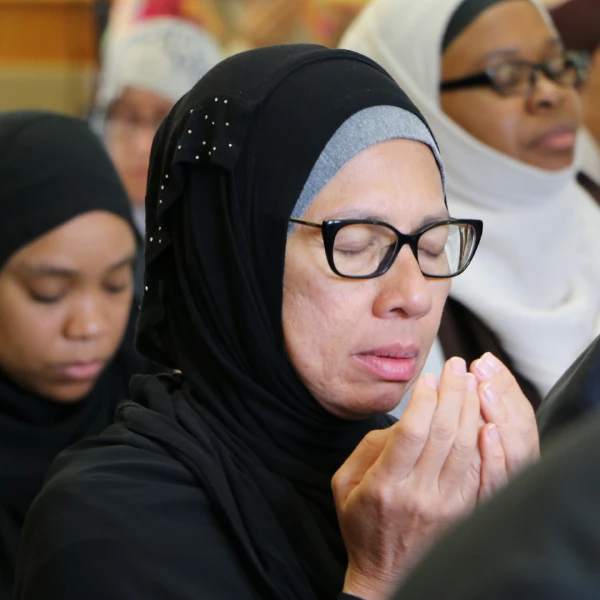
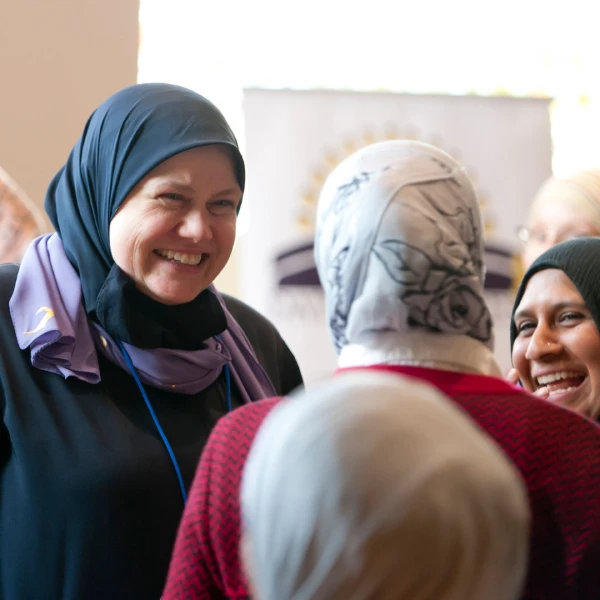
Muslim women historically have been a vital part of the foundation of Islamic scholarship, leadership, and community care. Today, Rabata provides a platform for the rising tide of Muslim women becoming scholars, community leaders, and positive cultural change agents. Through online classes, literature, and spiritual mentorship, women are finding HOPE once again. Muslim women are raising their voices and amplifying their power across six continents as they live in the shelter of one another and uplift ourselves and the next generation. Each woman brings with her a unique ability to be the needed change through education, tarbiya, and community.